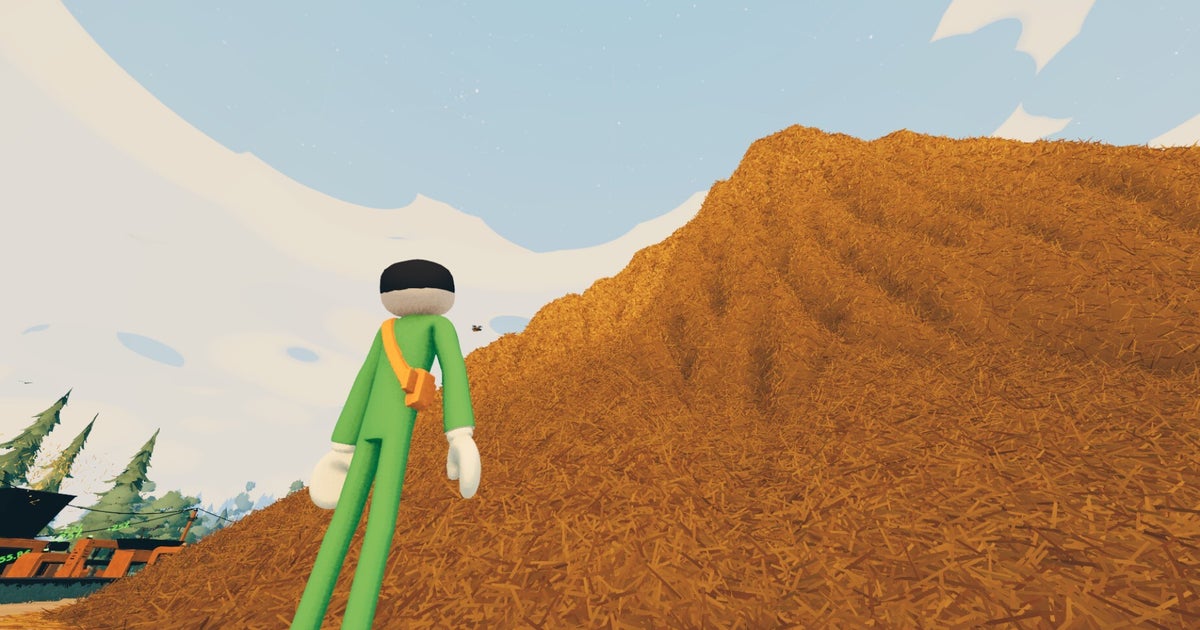
Endless pile of Needle In Haystack games begins to emerge, as viral hit imitator’s devs claim their code was nicked by a genAI-using clone
The viral success of “Needle In A Haystack” has spawned an epidemic of clones, with the original developers now accusing a copycat creator of intellectual property theft. NoGlyph released their puzzle game on September 29, 2026, challenging players to locate a needle hidden in a haystack. The game became an unexpected hit, prompting numerous developers to release similar titles.
Within weeks, “A Game About Needle In A Haystack” by Little Field Studios launched on October 16, 2026—just 17 days later. Rather than a simple case of inspiration, NoGlyph claims that Little Field Studios didn’t just copy the concept but allegedly stole their actual source code. According to reports, the competing game was developed using generative AI tools, which may have been used to process or repurpose the original codebase.
The incident highlights emerging concerns within game development about AI-assisted cloning and code appropriation. As indie games gain viral traction, the speed at which competitors can reverse-engineer or replicate functionality—especially with AI assistance—has become a critical issue. The large number of imitators following Needle In A Haystack’s success demonstrates how quickly the gap between inspiration and infringement can narrow in the modern indie gaming landscape.
This dispute raises questions about intellectual property protection for indie developers and the risks posed by AI-assisted development when handling external or improperly licensed code.