Intel bringing faster upscaler to Valve’s Proton - XMX accelerated XeSS could come to SteamOS in boost to future Intel-powered handheld gaming PCs
Intel is making a push to bring its XeSS upscaling technology to Valve’s Proton, the compatibility layer that enables Windows games to run on Linux. The company has opened pull requests to integrate Intel XeSS support into Proton, with the potential for XMX hardware acceleration on SteamOS. This development signals Intel’s commitment to supporting Linux-based gaming platforms and marks a shift in the company’s gaming strategy.
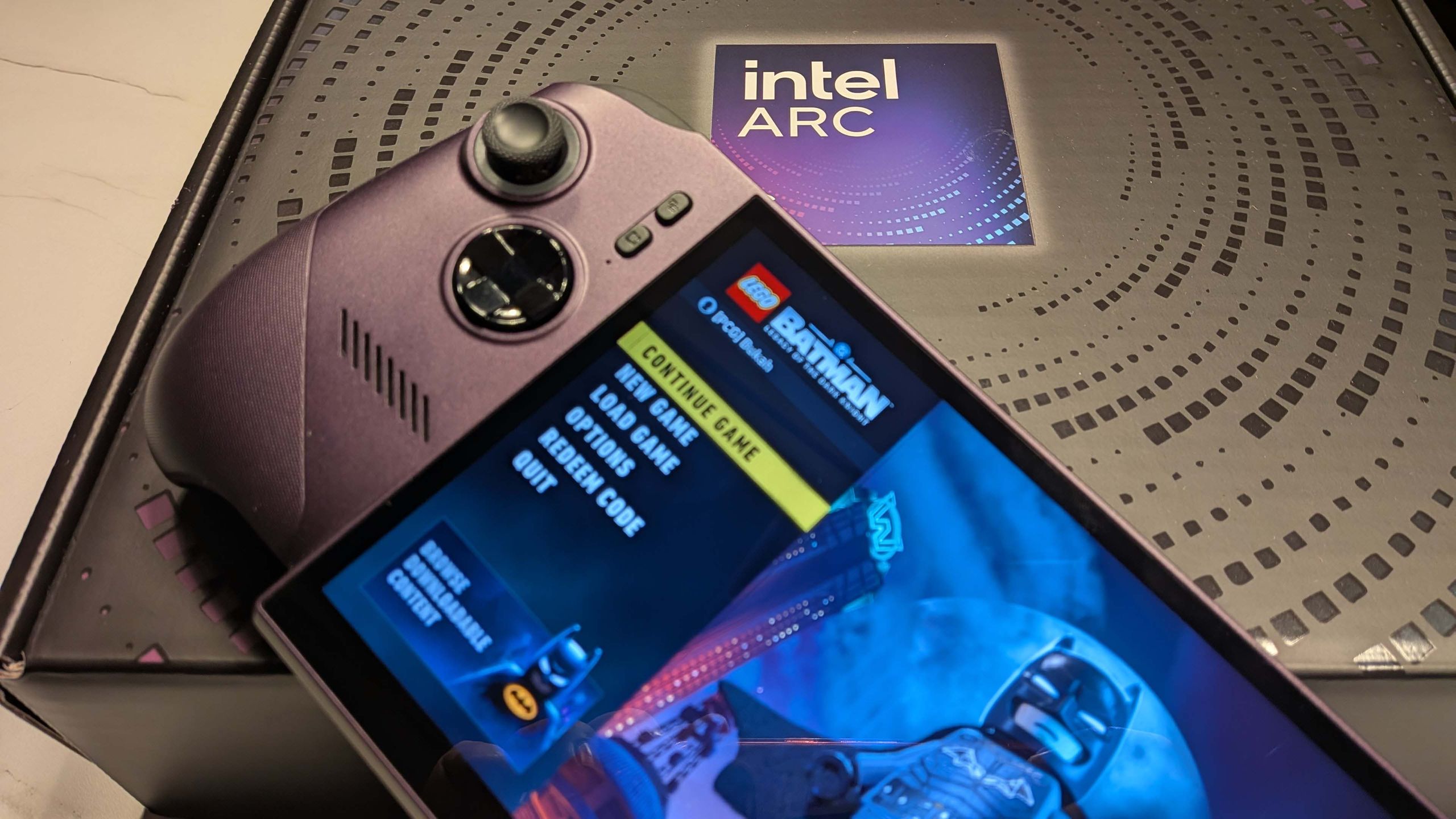
The move is particularly significant for handheld gaming PC users, as Intel’s Arc G3 Extreme processor powers some of the best portable gaming devices currently available, including the MSI Claw 8 EX AI+. However, these machines typically run Windows, and Valve has historically prioritized AMD processors for its SteamOS operating system. Intel’s initiative to bring XeSS to Proton could change this dynamic and make future Intel-powered handheld gaming PCs more viable on Linux.
XeSS is Intel’s upscaling technology that uses AI to render games at lower resolutions and intelligently scale them up while maintaining visual quality—a technique that improves performance without sacrificing image fidelity. With XMX acceleration, the technology could deliver faster upscaling on Intel hardware, providing meaningful performance gains for handheld gaming devices with limited computational resources.
This development represents growing ecosystem support for Intel’s gaming ambitions beyond Windows. As handheld gaming PCs continue to evolve and Linux gaming gains traction, Intel’s involvement in Proton could help level the playing field against AMD’s established presence in the handheld and Linux gaming spaces.