“This act is intended to demonstrate solidarity with Palestine” - Umurangi Generation studio blocks new game Penguin Colony from being sold in Israel
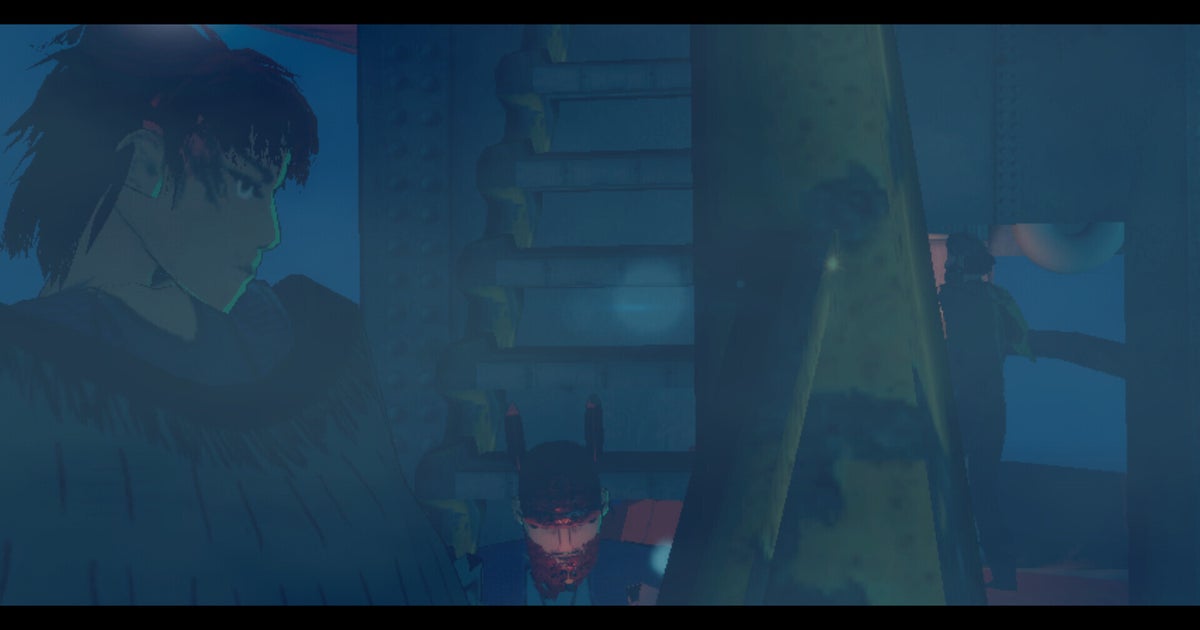
Origame Digital, the Māori-led studio behind 2020’s Umurangi Generation, has released Penguin Colony, a Lovecraftian horror game played from a penguin’s perspective, based on H.P. Lovecraft’s “At the Mountains of Madness.” Published by Fellow Traveller, the game has been blocked from sale in Israel as a political statement.
Origame Digital and Fellow Traveller confirmed the regional sales restriction in response to a Steam user’s inquiry, with the decision intended to demonstrate solidarity with Palestine and protest the ongoing Israeli-Palestinian conflict. The publisher stated that “developers have the right to control where their games are sold,” affirming its support for the studio’s choice.
This action reflects Origame Digital’s established pattern of embedding political messaging into its games. Umurangi Generation was similarly known for explicit anti-colonial and anti-neoliberal criticism, addressing issues including the Australian government’s COVID-19 response and the 2020 bushfires. Penguin Colony continues this tradition by integrating anti-colonial themes throughout its narrative and design.
Beyond the geographic sales ban, Penguin Colony also includes in-game content criticizing the broader games industry for remaining silent on Palestinian issues. This dual approach—combining both market access restrictions and narrative messaging—represents a comprehensive political stance from the studio.
The decision has sparked ongoing discussions within the gaming industry about developer activism and the extent to which studios should take political positions. While some view it as a meaningful exercise of creative control, others may question the commercial and strategic implications of restricting access to a market.
Sources
- “This act is intended to demonstrate solidarity with Palestine” - Umurangi Generation studio blocks new game Penguin Colony from being sold in Israel
- Penguin Colony is not messing around with its statement on the Palestinian genocide, banning sale in Israel and calling out the games industry in-game