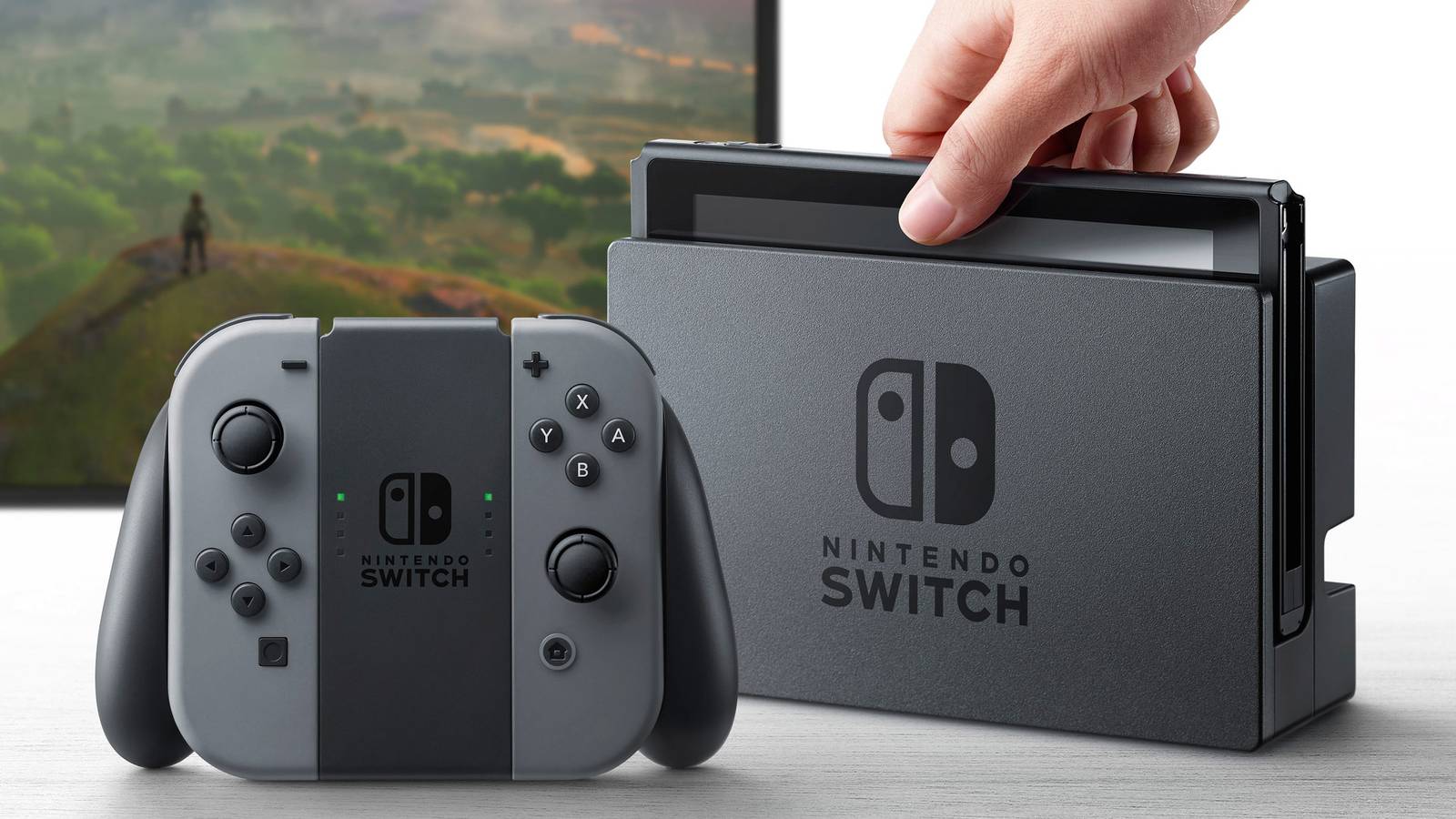
10 Years Later, Nintendo’s Switch Reveal Is a Fascinating Time Capsule
The Nintendo Switch, which has now sold 156 million units, was met with considerable skepticism when it was announced in October 2016—skepticism that seems puzzling given its enormous commercial success.
The doubt stemmed from multiple factors. Nintendo’s previous console, the Wii U, had been a commercial disaster, selling only 13.5 million units and ranking as the second-worst-selling Nintendo console ever, behind only the Virtual Boy. When details about the upcoming “Nintendo NX” (later the Switch) emerged through a July 2016 Eurogamer report, the device seemed risky: a portable system that could dock to a TV—a concept critics viewed as too similar to the failed Wii U. Industry observers also worried the hardware would be underpowered compared to the PlayStation 4 and Xbox 360.
The broader gaming landscape compounded this skepticism. Throughout the 2010s, dedicated handheld gaming had declined sharply as smartphones and free-to-play mobile games captured market share. Many questioned whether the Switch could reverse this trend or would become another Nintendo miscalculation.
A decade on, the Switch’s success has thoroughly vindicated Nintendo’s vision, becoming one of gaming’s most successful platforms and proving skeptics decisively wrong.