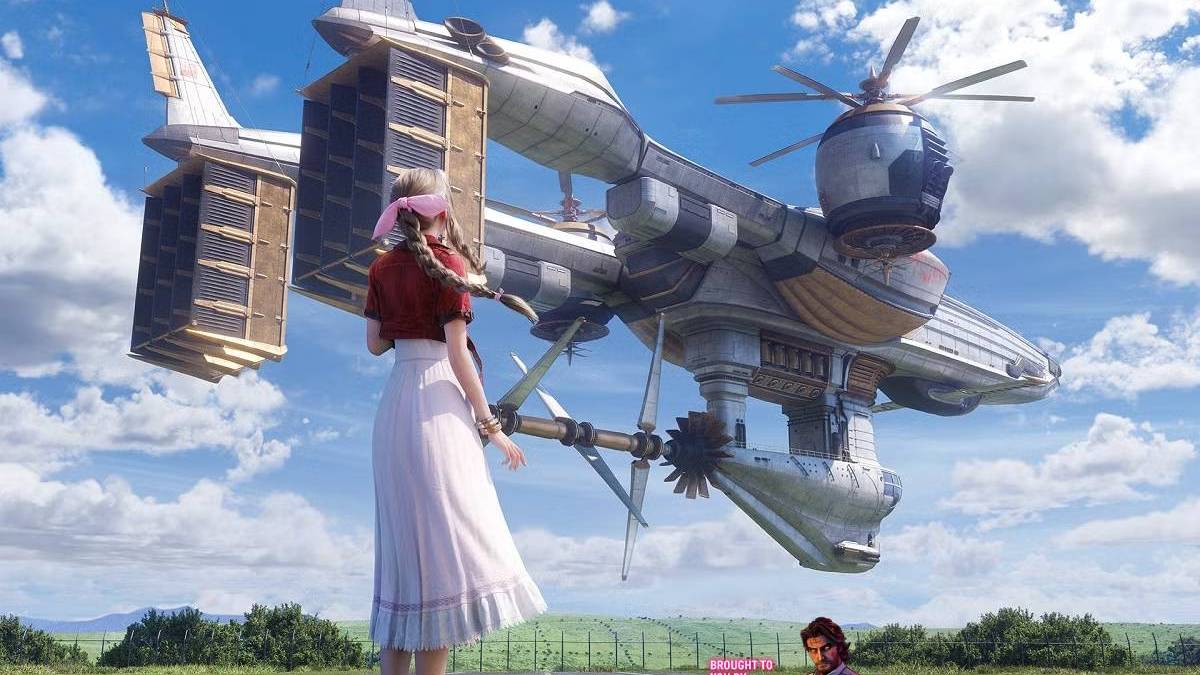
7 Reasons FF7 Is the Ultimate Video Game Fairy Tale
Polygon explores how Final Fantasy 7, Square Enix’s landmark 1997 role-playing game, functions as a sophisticated video game fairy tale despite its unconventional opening featuring eco-terrorists planning to sabotage an electricity plant. The analysis argues that FF7 incorporates numerous narrative elements traditionally associated with fairy tales—medieval European aesthetics, castle settings, forests, and heroic journeys—while subverting expectations through modern themes and complex storytelling.
Rather than following the simple morality of traditional fairy tales, FF7 presents an ensemble cast of flawed, multidimensional characters whose psychological depth rivals prestige television dramas. The game combines anime-inspired colorful visuals with mature narrative themes, creating a story that transcends typical children’s fantasy fare. This blend of classic narrative structure with contemporary environmental activism, character-driven storytelling, and thematic sophistication has contributed significantly to FF7’s enduring cultural resonance nearly three decades after release, demonstrating how video games can adapt timeless storytelling traditions for new mediums.