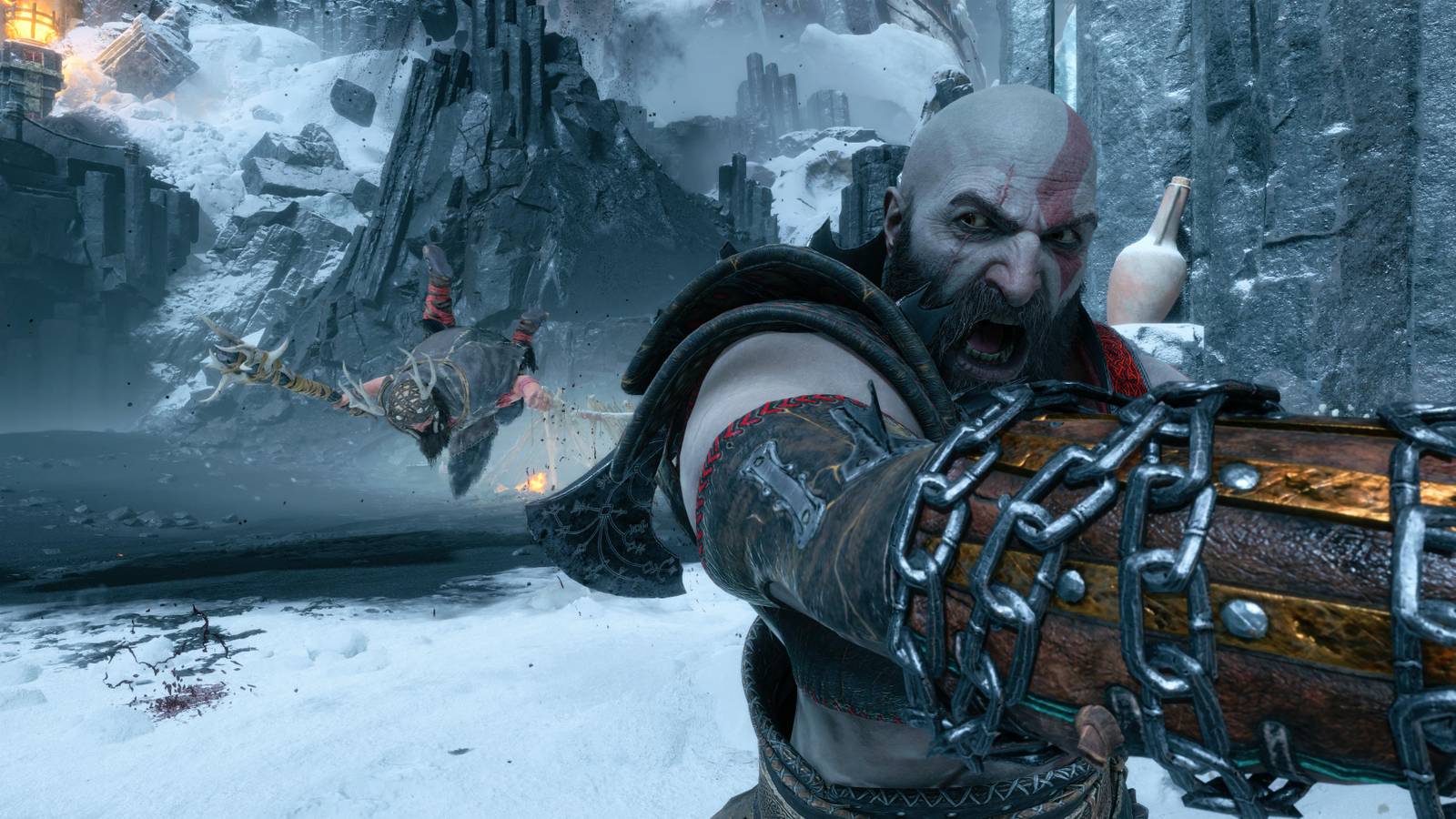
10 Games That Are Way Too Long for Their Own Good
Polygon examines a persistent challenge in game design: the expectation that longer playtime equates to better value. As video game prices have risen to $70 per title, players naturally expect substantial content to justify the cost. However, the article argues that many modern games sacrifice quality for quantity by deliberately padding their experiences with busywork and extending narratives beyond their natural endpoints.
The core issue is that developers often confuse length with depth, stretching potentially engaging adventures with filler content that exhausts player patience rather than enhancing enjoyment. While the sheer amount of content is plentiful, much of it lacks meaningful value to the overall experience. This design philosophy—attempting to deliver an “epic” experience through extended playtime—frequently backfires by diluting the core appeal of the game.
The article identifies this as a systemic problem where commercial pressures to deliver “full-priced” experiences clash with sound game design principles. Developers facing these expectations often resort to repetitive quests, artificially extended cutscenes, and narrative padding to inflate playtime metrics, ultimately damaging the player experience rather than enriching it.