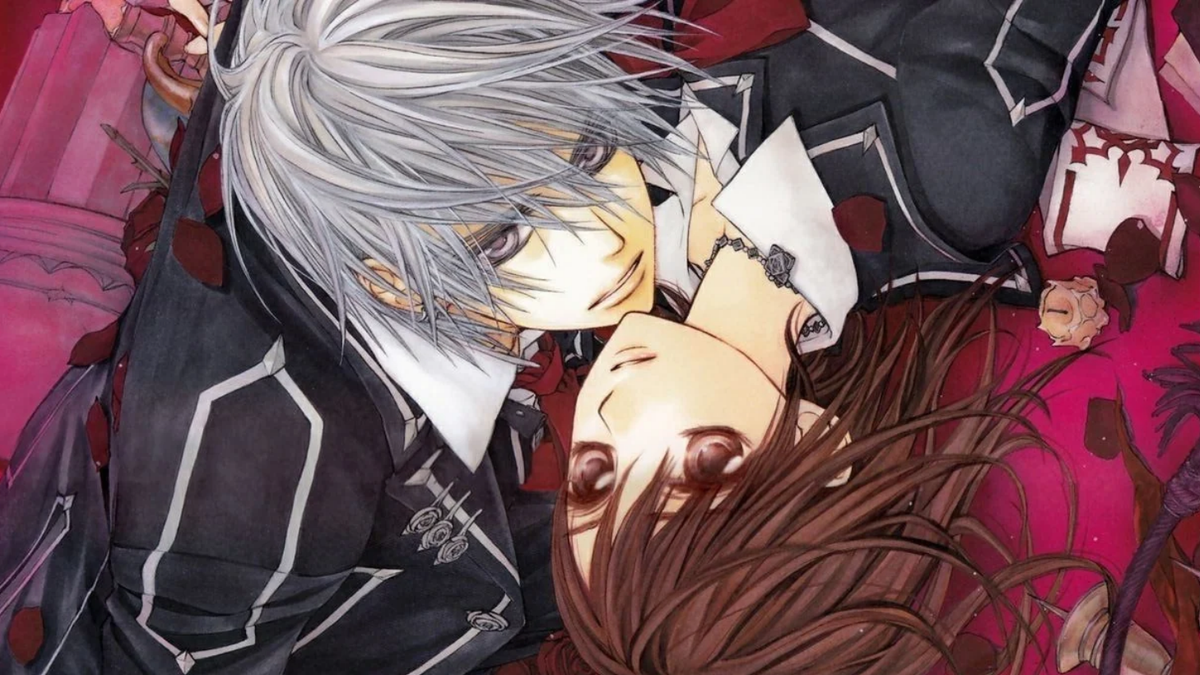
18 Years Later, The Definitive 2000s Gothic Cult Classic is Still a Divisive Guilty Pleasure
Vampire Knight, a 2008 Studio Deen anime adaptation of Matsuri Hino’s classic shojo manga, stands as a definitive gothic cult classic from the late 2000s that remains divisive nearly two decades later. The series serves as an anime equivalent to Twilight’s cultural phenomenon, building its appeal around a messy love triangle set within a dark supernatural world. Like Twilight, Vampire Knight centers on a protagonist caught between competing supernatural interests, but pushes the narrative into more controversial territories.
The anime employs a dark academia setting to explore complex themes including identity, class, trauma, and prejudice. The series’ gothic romance foundation, combined with its intricate and often convoluted supernatural lore, created a unique relic of the 2000s anime landscape. While Twilight capitalized on the adolescent fantasy of all-consuming first love, Vampire Knight takes similar tropes and develops them in darker, more complex directions. The show’s enduring appeal lies in its willingness to embrace the messy, morally complicated dynamics at its core, establishing itself as a guilty pleasure that continues to generate discussion and debate among anime fans.