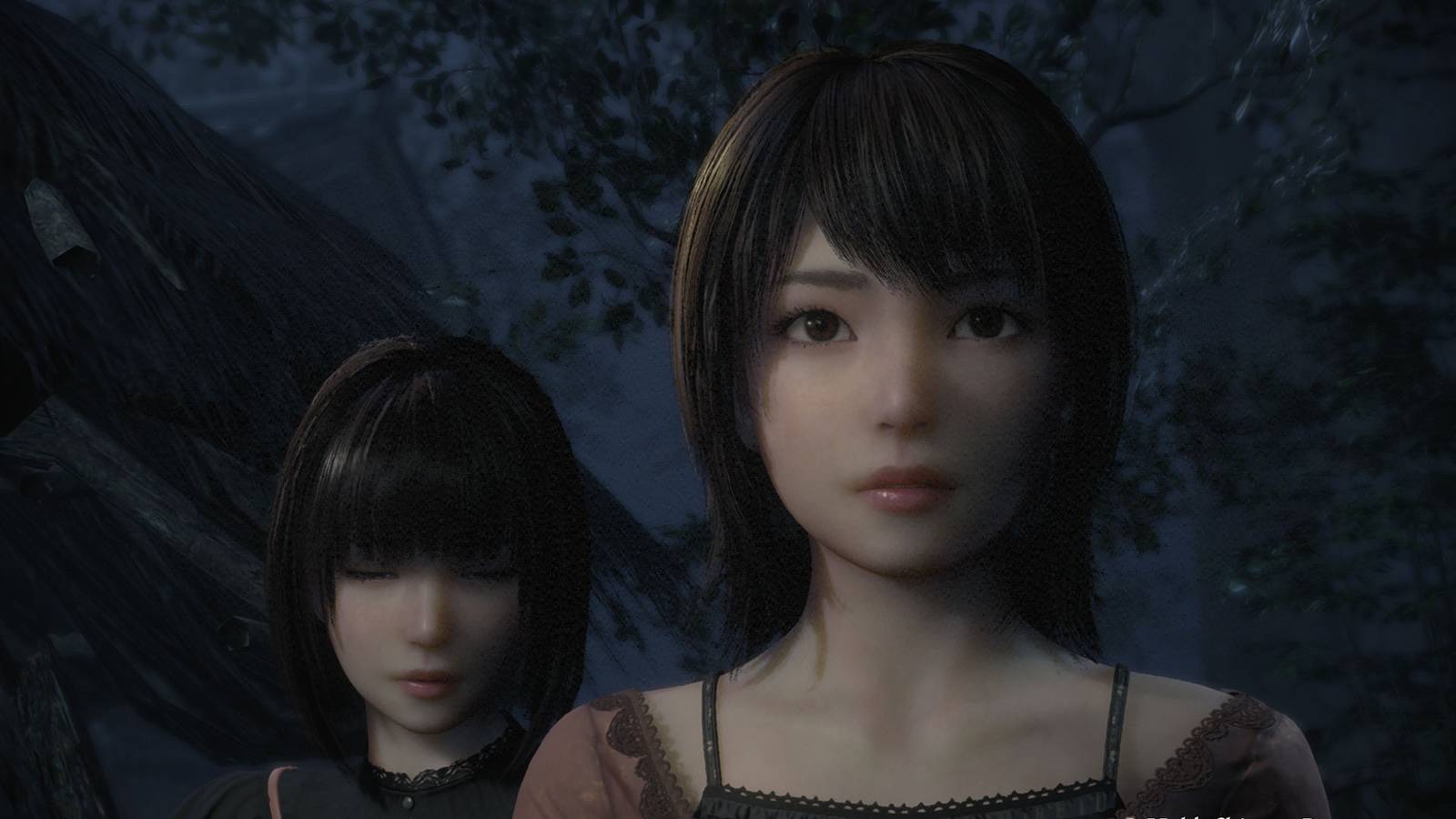
Fatal Frame Transforms an Ordinary Hobby Into Bone-Chilling Horror
Fatal Frame, released by Tecmo in 2001 for PlayStation 2, revolutionized horror game design through an unconventional mechanic: players combat ghosts by photographing them. Created by director Makoto Shibata and Keisuki Kikuchi, the game became one of the 2000s’ most iconic horror franchises.
Shibata’s design philosophy centers on the belief that imagination itself is the most terrifying element. Rather than relying on graphic scares or direct combat, he crafted an experience intended to frighten players simply from the prospect of grasping the controller. By transforming photography—an ordinary, peaceful hobby—into a survival horror mechanism, Shibata created a psychologically innovative approach to terror.
The camera mechanic serves as Fatal Frame’s core innovation, forcing players to confront spectral threats through a lens rather than traditional weapons. This approach taps into primal fears of the unseen, where observation becomes both protection and peril. The game demonstrated that horror transcends graphic violence or jump scares, instead stemming from psychological engagement with the game world and its mechanics.
The collaboration between Shibata and Kikuchi, building on their prior work on the Deception series, proved instrumental in translating this novel concept into a compelling interactive experience. Fatal Frame’s impact on horror game design and cultural significance established it as a landmark title influencing subsequent generations of gaming.