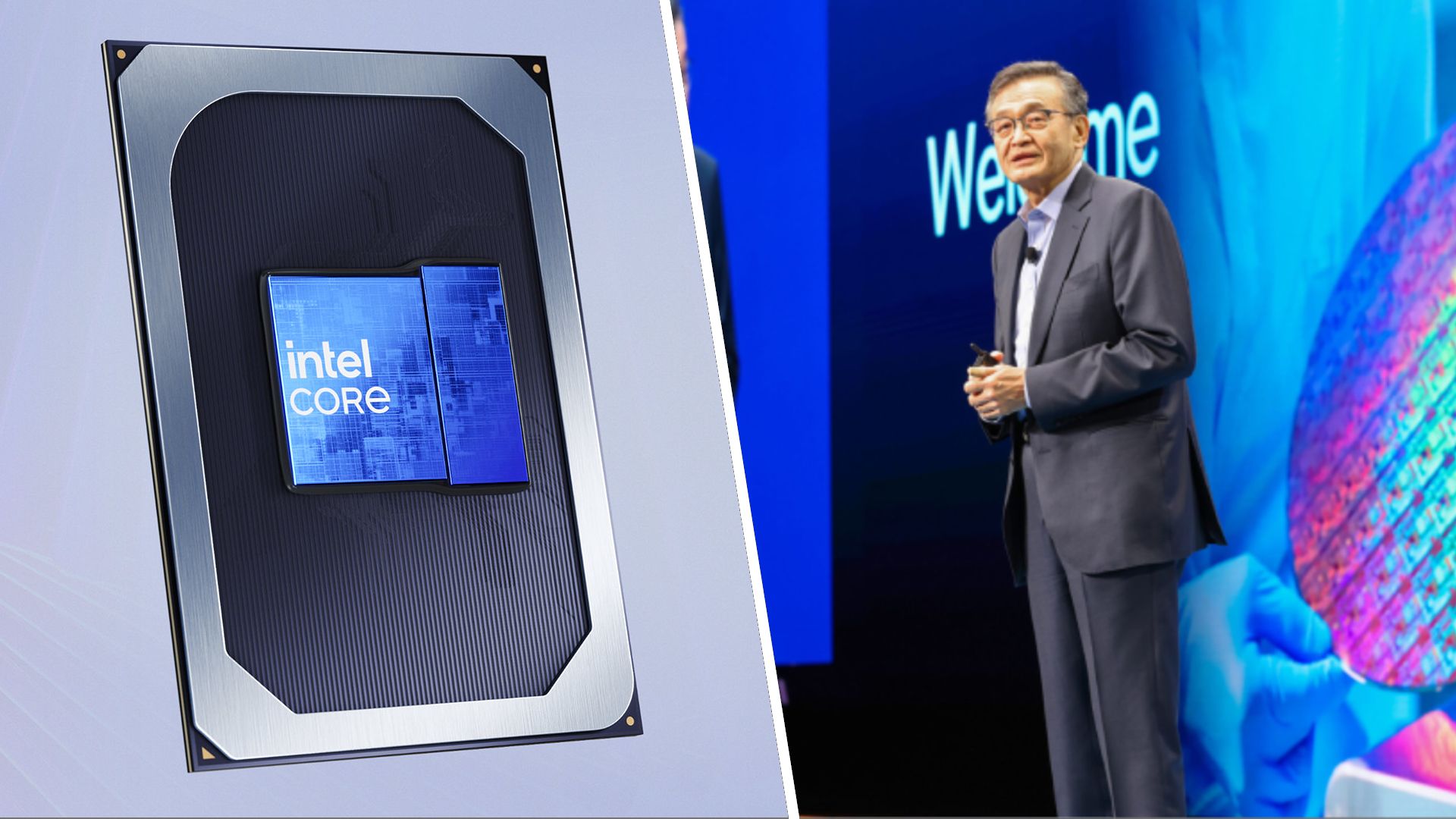
Intel shifts Panther Lake capacity to data center chips while the memory crisis wreaks havoc on PC market; still sold out of budget Wildcat Lake chips
Intel is reallocating manufacturing capacity from its next-generation Panther Lake processors to data center chips, citing a challenging market for personal computers. According to CEO Tan’s recent earnings call, a memory crisis is significantly impacting PC market demand and pricing, with memory and storage costs continuing to worsen.
Rather than accumulate unsold inventory of Panther Lake chips, Intel plans to shift some of its 18A process capacity to more profitable data center applications where demand remains stronger. This strategic pivot reflects broader market dynamics where cloud infrastructure and AI computing are outpacing consumer PC sales.
The company also noted that its more affordable Wildcat Lake processors remain sold out, indicating some strength in budget-conscious segments despite broader market challenges. Intel’s CEO warned that “the next few quarters will be challenging for the PC market,” suggesting the company expects difficult conditions to persist through the foreseeable future.
This reallocation underscores ongoing tensions in the PC market, where component shortages and rising memory prices continue to constrain consumer and enthusiast demand. The decision prioritizes Intel’s high-margin data center business over consumer gaming and productivity markets during this downturn.