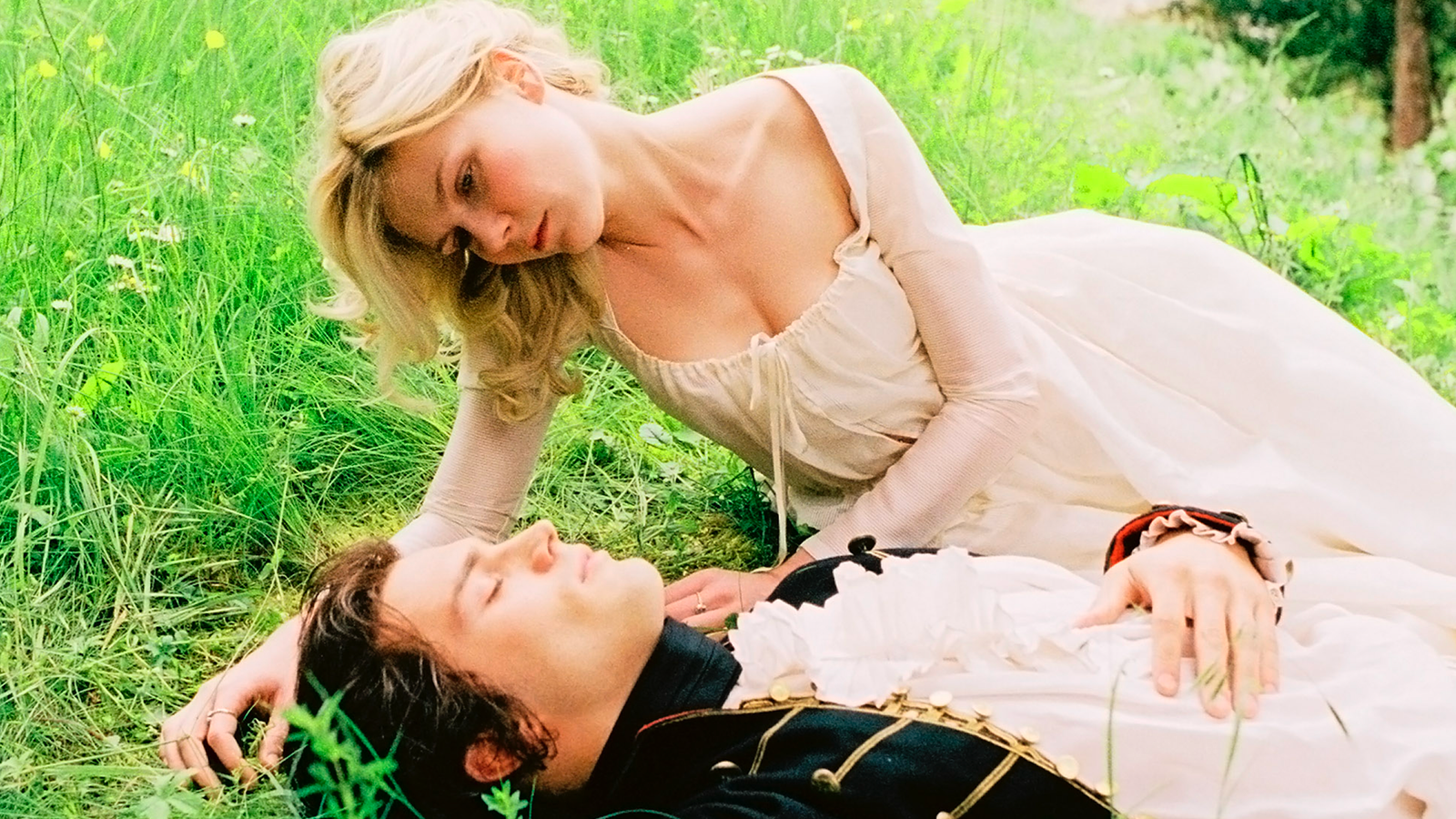
12 Years Later, Sofia Coppola’s Unmade Epic Fantasy Still Lives Rent Free in My Head
In 2014, director Sofia Coppola was set to develop a live-action adaptation of The Little Mermaid that would have reimagined Hans Christian Andersen’s original fairy tale rather than Disney’s animated classic. The darker source material features the mermaid’s tragic fate—transforming into sea foam after throwing herself into the ocean in despair—a stark contrast to Disney’s hopeful narrative. Actress Elle Fanning was reportedly attached to the project, with speculation about how Coppola’s distinctive visual style would manifest: intimate compositions in pastel tones, atmospheric cinematography, and an indie-influenced soundtrack featuring artists like The Strokes or Phoenix.
The project ultimately never materialized, joining the ranks of notable unmade films. The timing coincided with Hollywood’s growing appetite for live-action remakes of animated classics, accelerated by Tim Burton’s Alice in Wonderland success. Coppola’s version represented a significantly different creative vision—one that would have honored the psychological darkness of Andersen’s original work and reflected her characteristic restraint and visual poetry.
The film remains a fascinating might-have-been in cinema history, representing an intriguing intersection of auteur sensibilities and literary source material. Nearly a decade later, Disney released its own live-action The Little Mermaid (2023) with a different creative team and tone, but Coppola’s unrealized vision continues to captivate those who imagine what her distinctive filmmaking approach might have brought to the material.