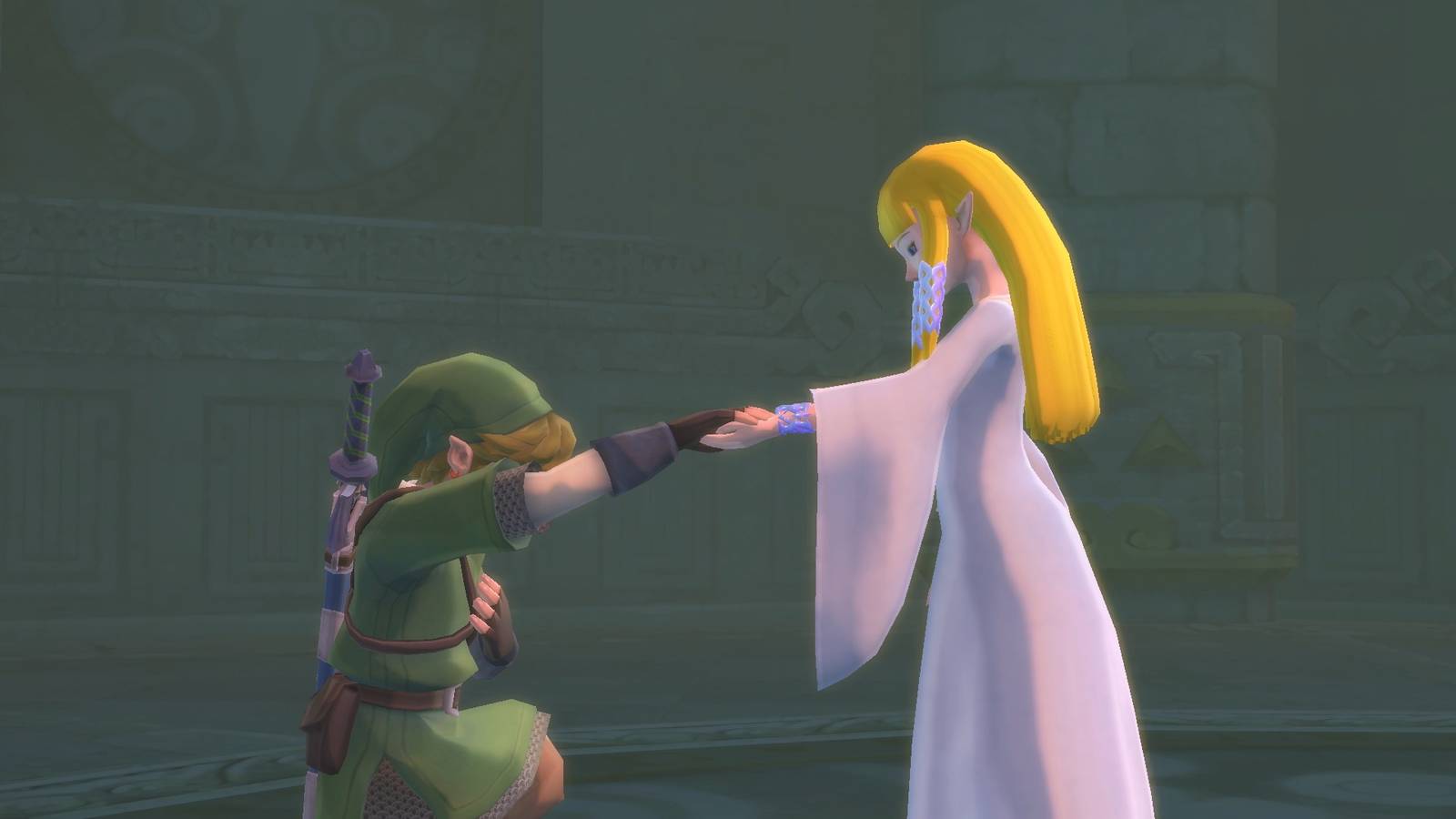
15 Years Ago, Zelda Told its Most Memorable Story with its Worst Gameplay
The Legend of Zelda: Skyward Sword, released 15 years ago on the Wii, has become a case study in the tension between narrative ambition and gameplay execution. The game features some of the most compelling storytelling in the Zelda franchise, with emotionally resonant character arcs and complex narrative threads involving time loops and carefully developed allies. However, this narrative achievement is significantly undermined by its motion-control-dependent gameplay, which proves cumbersome and imprecise after dozens of hours.
The game’s primary gameplay mechanism centers on motion controls—holding the Wii Remote overhead and swinging to mimic sword combat—which the article suggests feels unresponsive and clunky. Compounding these issues is Fi, the game’s AI companion, who delivers verbose and repetitive explanations for puzzles and mechanics the player has already grasped, creating friction during gameplay sessions that stretch across approximately 40 hours.
Despite these shortcomings, Skyward Sword’s legacy is defined by its narrative strengths. The game successfully develops memorable characters, including rivals who evolve into trusted allies, and explores intricate storytelling elements that elevate it above many of its series counterparts. The retrospective suggests that Skyward Sword represents a high-water mark for Zelda storytelling, even if the gameplay systems designed to deliver that story often frustrate rather than engage.