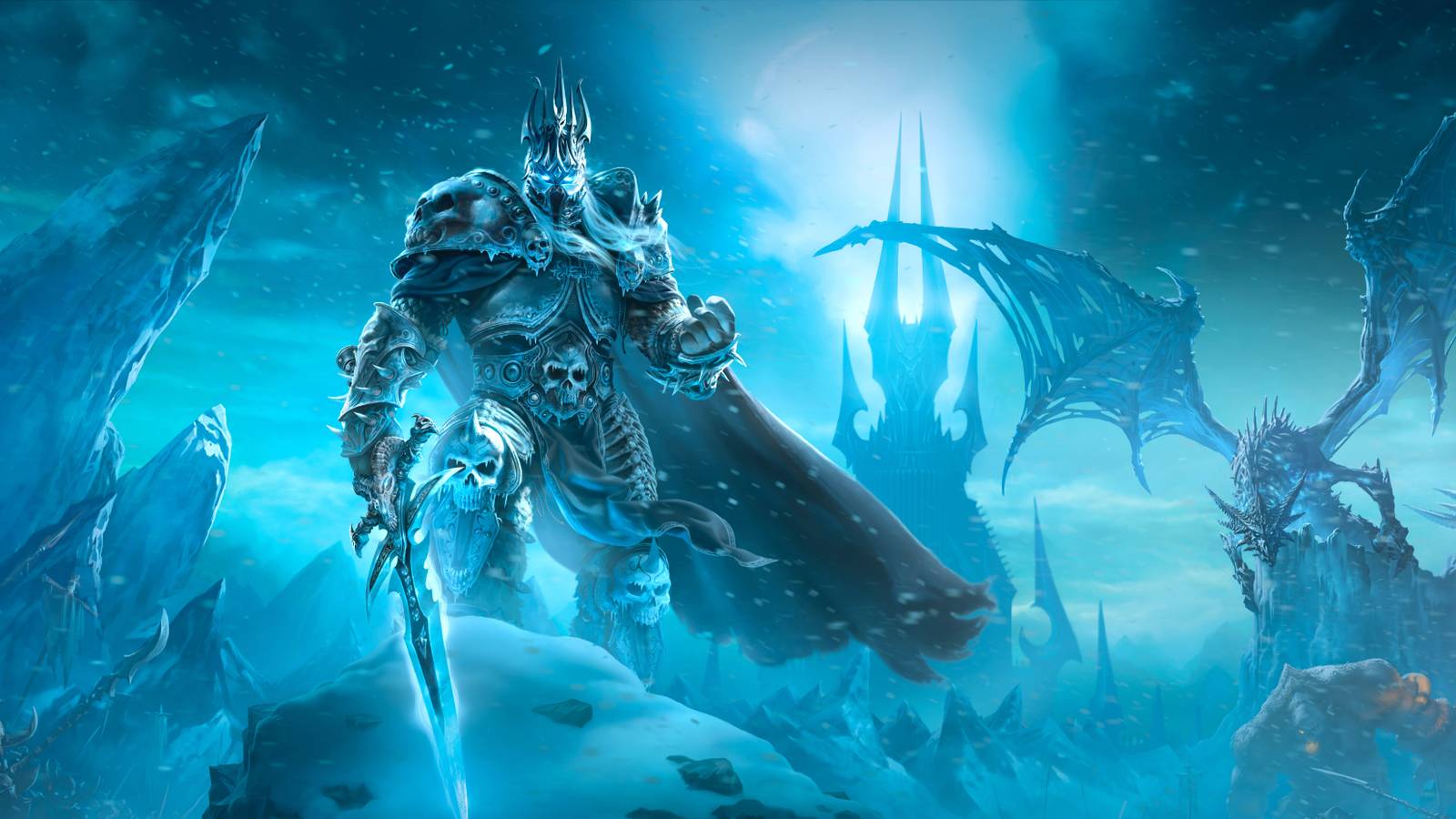
D&D World of Warcraft Designer Learned From the Game’s Most Controversial Edition
The lead designer of the Dungeons & Dragons: World of Warcraft Gameplay Expansion intentionally avoided replicating video game mechanics when creating the tabletop supplement. Designer James Wyatt explained to Polygon that while the expansion allows Dungeon Masters to run adventures in Azeroth with bosses and dungeons inspired by the MMORPG, the design team deliberately steered away from MMO-like gameplay systems.
Wyatt noted that D&D has periodically leaned toward video game mechanics—featuring shorter rest timings and spells that function like action buttons—but the World of Warcraft expansion rejects this approach. Instead, the product focuses on Azeroth as a setting for traditional tabletop roleplaying rather than attempting to recreate digital gaming systems.
This design philosophy appears informed by lessons from D&D’s controversial 4th Edition (2008), released four years after World of Warcraft’s launch. That edition underwent significant mechanical overhauls from 3.5 Edition and generated substantial community debate. The new World of Warcraft expansion prioritizes world-building and narrative immersion, allowing players and Dungeon Masters to explore the MMORPG’s universe through the lens of tabletop roleplaying while preserving D&D’s traditional gameplay philosophy.