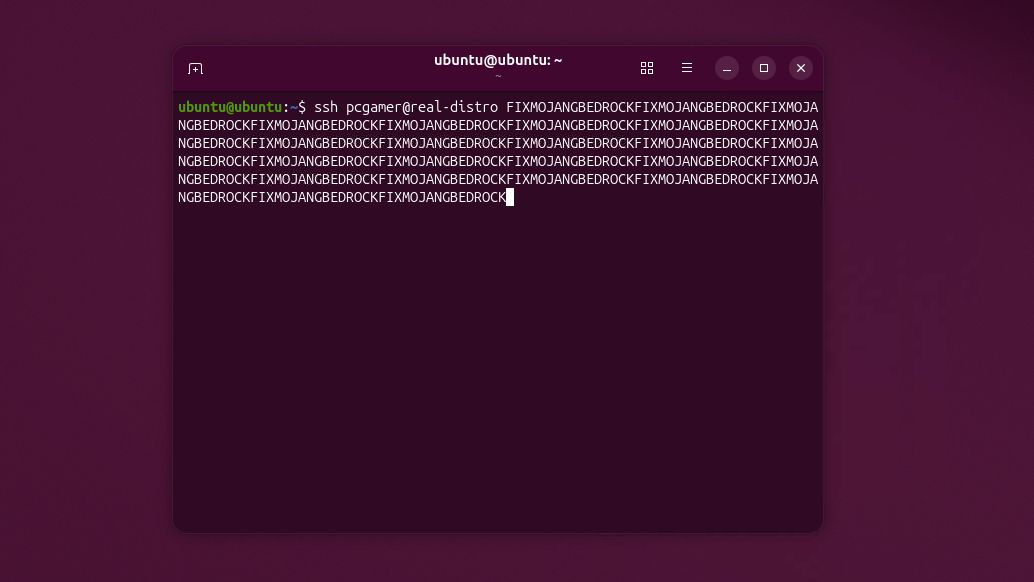
All that stands between a hacker and admin privileges on some Linux distros is a 257-character long string of literally anything
A critical security vulnerability has been discovered in certain SSH implementations on Linux distributions, allowing attackers to bypass authentication through an unexpectedly simple method. According to reports, entering between 257 and 1,024 arbitrary characters during password authentication can grant unauthorized root-level access to affected systems.
The vulnerability specifically targets Linux systems that use the musl libc library with PAM (Pluggable Authentication Modules) disabled. While the affected distros are limited to a small, niche subset of Linux implementations, the critical nature of the vulnerability warranted immediate attention from the security community.
OpenSSH, the widely-used implementation of the Secure Shell protocol, has already released a workaround and permanent fix to address this authentication bypass. System administrators running affected Linux distributions are advised to update their OpenSSH installations immediately to patch the vulnerability and ensure their systems remain secure.