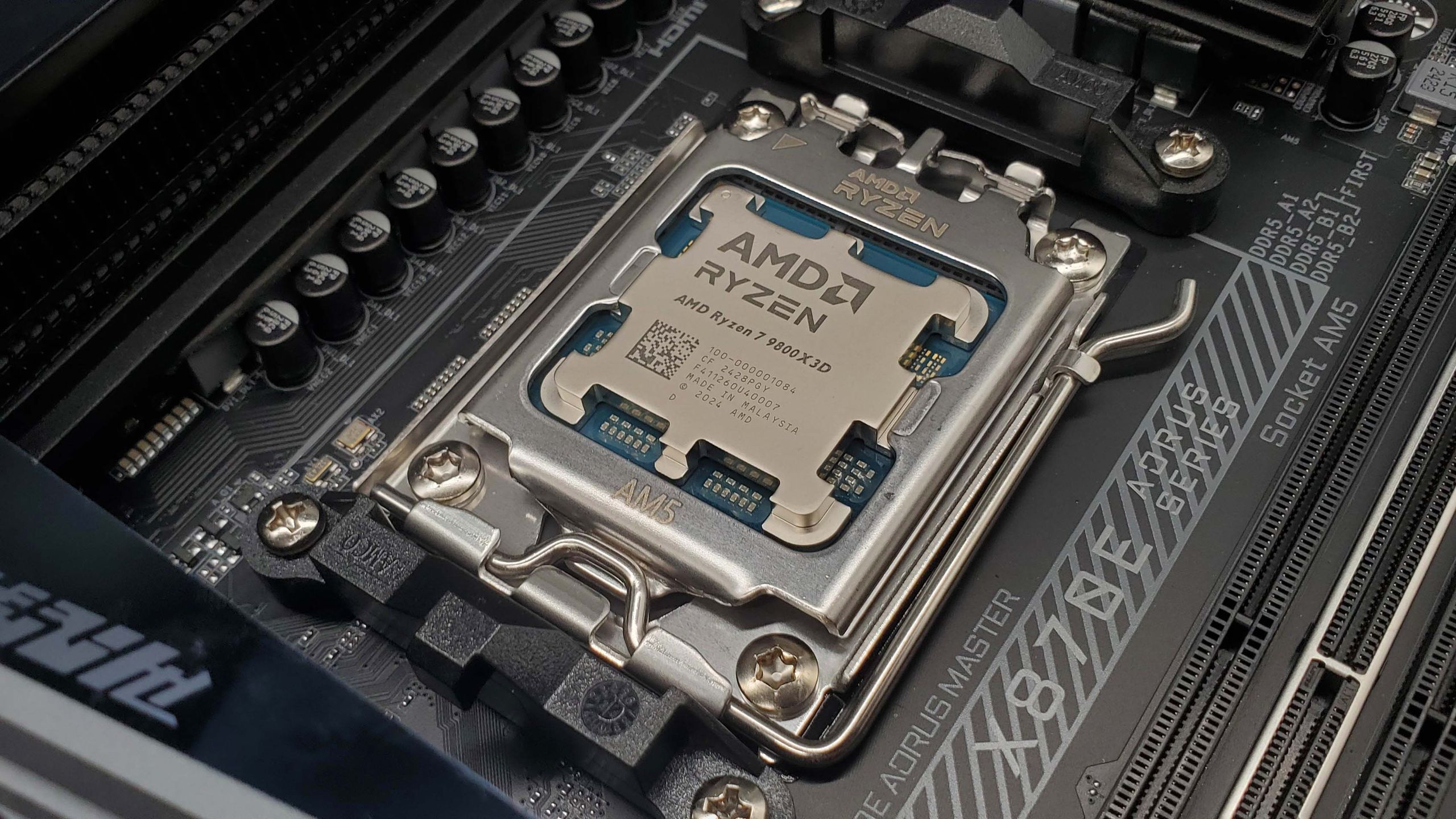
AMD’s Zen 6 gaming CPUs might be absolute monsters by the looks of the server chips—and there’s a 3D V-Cache variant to keep an eye on
AMD has unveiled significant details about its next-generation Zen 6 CPU architecture through the announcement of its new EPYC “Venice” server processors. While these enterprise chips will power data centers, the Zen 6 architecture signals substantial improvements for consumer Ryzen processors and gaming CPUs.
The most notable upgrade is increased core density per chiplet (CCD). Zen 6 chips can pack 12 high-performance cores into a single CCD, compared to the 8-core maximum of the current Zen 5 generation. Each core maintains 4 MB of L3 cache—matching Zen 5—bringing the total L3 cache per CCD to 48 MB, up from 32 MB in the equivalent 8-core Zen 5 design.
These improvements are built on TSMC’s cutting-edge N2P manufacturing node, which supports the higher core density. The architectural gains suggest Zen 6 will deliver meaningful performance benefits for both productivity and gaming workloads when it arrives in consumer Ryzen processors.
AMD is also developing a 3D V-Cache variant of Zen 6, which could provide further performance enhancements for gaming and other latency-sensitive applications. The combination of increased core count and cache improvements positions Zen 6 as a strong generation for next-gen consumer processors.