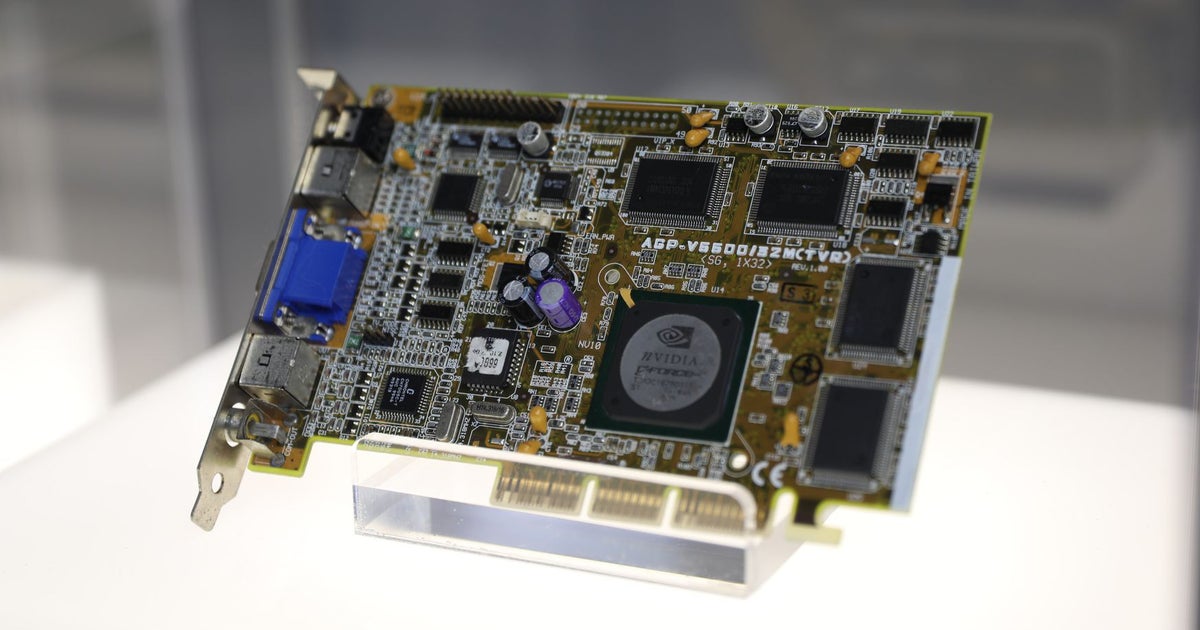
There were 47 graphics chip makers in 1998. Where did they all go?
The graphics chip market experienced dramatic consolidation between 1998 and 2000. In 1998, there were 47 companies designing or selling PC graphics chips, serving a market that shipped 130 million units—actually outselling entire PCs that year. This represented a thriving, competitive landscape with numerous affordable options available to PC builders.
However, the market dynamics shifted rapidly. By 2000, just two years later, the number of viable competitors had plummeted to 15. The article attributes this shift to changing industry priorities: making faster chips mattered less than maintaining a faster release schedule. Most of the 47 original manufacturers lacked the resources, scale, or engineering capability to compete at this accelerated pace.
This consolidation continued until the market crystallized around just two dominant players: Nvidia and ATI (which is now part of AMD). This duopoly has essentially defined the discrete graphics market for decades since.
The story illustrates a broader principle in hardware markets: as competition intensifies and release cycles accelerate, smaller players struggle to survive. The companies that fell away likely lacked the capital to sustain rapid iteration, the manufacturing partnerships to scale production, or the engineering talent to keep pace with technological advancement. Only the strongest competitors with sufficient resources and strategic positioning could adapt to the industry’s new demands.