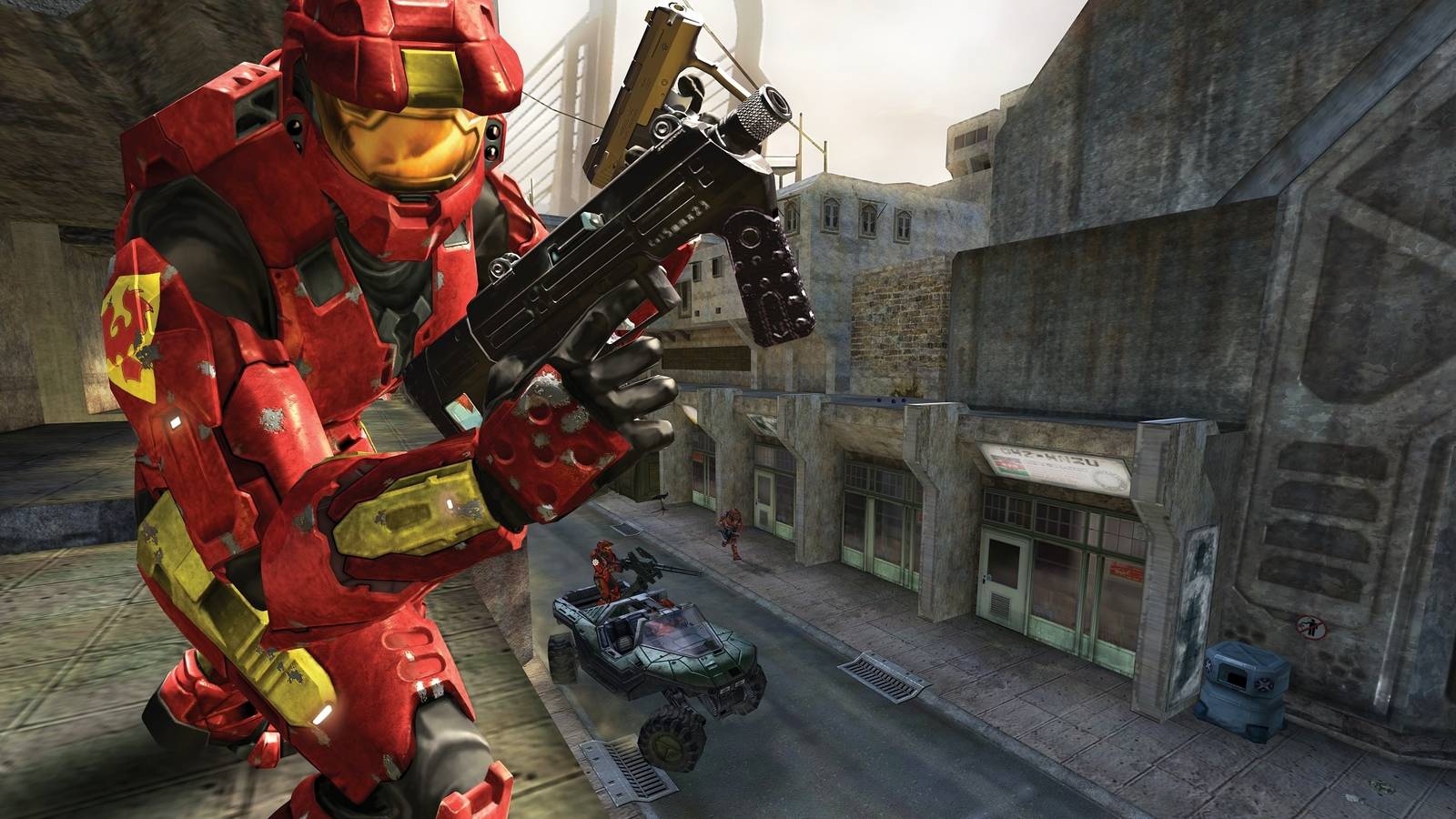
Halo Defined a Generation of LAN Parties — Then It Killed Them
As Halo: Combat Evolved celebrates its 25th anniversary alongside the original Xbox, a retrospective examines the game’s profound impact on gaming culture through the lens of LAN parties. The author reflects on personal memories of hosting local multiplayer gatherings during middle and high school, featuring a dozen teenagers, multiple televisions, and extensive Ethernet cabling that transformed their home into a makeshift gaming venue.
Halo became central to a generation’s gaming experiences, particularly through the LAN party phenomenon that defined 1990s and early 2000s gaming culture. These gatherings represented a unique form of multiplayer gaming—immediate, tangible, and inherently social in ways that modern online multiplayer has struggled to replicate. The author notes that despite playing countless multiplayer games since those formative LAN parties, none have matched the distinctive experience of Halo’s local network gameplay.
The article’s title hints at a broader examination of Halo’s dual legacy: how the franchise first enabled and facilitated the golden age of LAN parties, but later contributed to their decline as online multiplayer and increasingly complex networking shifted gaming away from local area networks. The piece suggests that while Halo itself was revolutionary, its evolution and the industry’s move toward internet-based play may have inadvertently contributed to the end of an era in gaming culture.