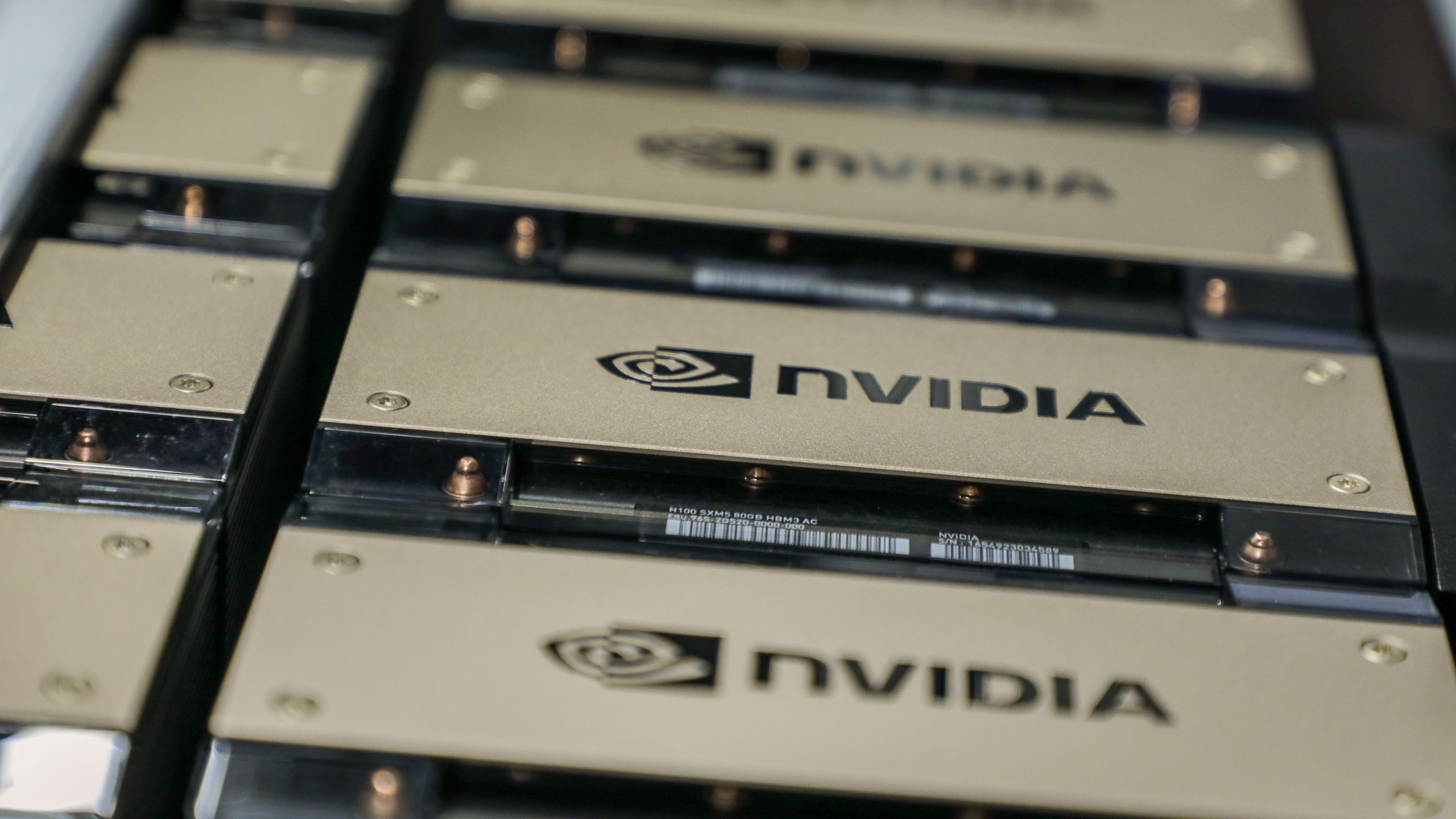
Chinese AI firms and ‘other restricted entities’ blocked from remotely accessing American AI chips, which I’m surprised wasn’t already a thing
The United States Department of Commerce has implemented a new rule restricting Chinese AI firms and other designated entities from remotely accessing America’s advanced artificial intelligence chips. The measure represents a significant tightening of export controls aimed at preventing the transfer of cutting-edge semiconductor technology to restricted actors.
The rule comes amid heightened national security concerns regarding AI chip access and follows the recent ousting of Nvidia’s former CEO Jensen Huang, who has been called to testify before Congress on the matter. John Moolenaar, chair of the US Select Committee on China, stated that the regulation closes “dangerous export control loopholes China has been exploiting for years.”
The restrictions target remote access specifically, addressing a critical vulnerability where Chinese entities could circumvent traditional export controls by connecting to US-based AI infrastructure remotely rather than physically acquiring the hardware. This approach had apparently allowed restricted parties to effectively use advanced American AI chips through alternative channels.
The regulatory action represents a shift toward more comprehensive oversight of AI chip availability, particularly regarding remote access arrangements that had previously operated in regulatory gray areas. The move signals the administration’s commitment to protecting American technological advantages while addressing longstanding concerns about the transfer of sensitive AI infrastructure to geopolitical rivals. Industry observers note that the new restrictions could have significant implications for international AI development and competition.