Microsoft explains the Outlook outage that hit millions
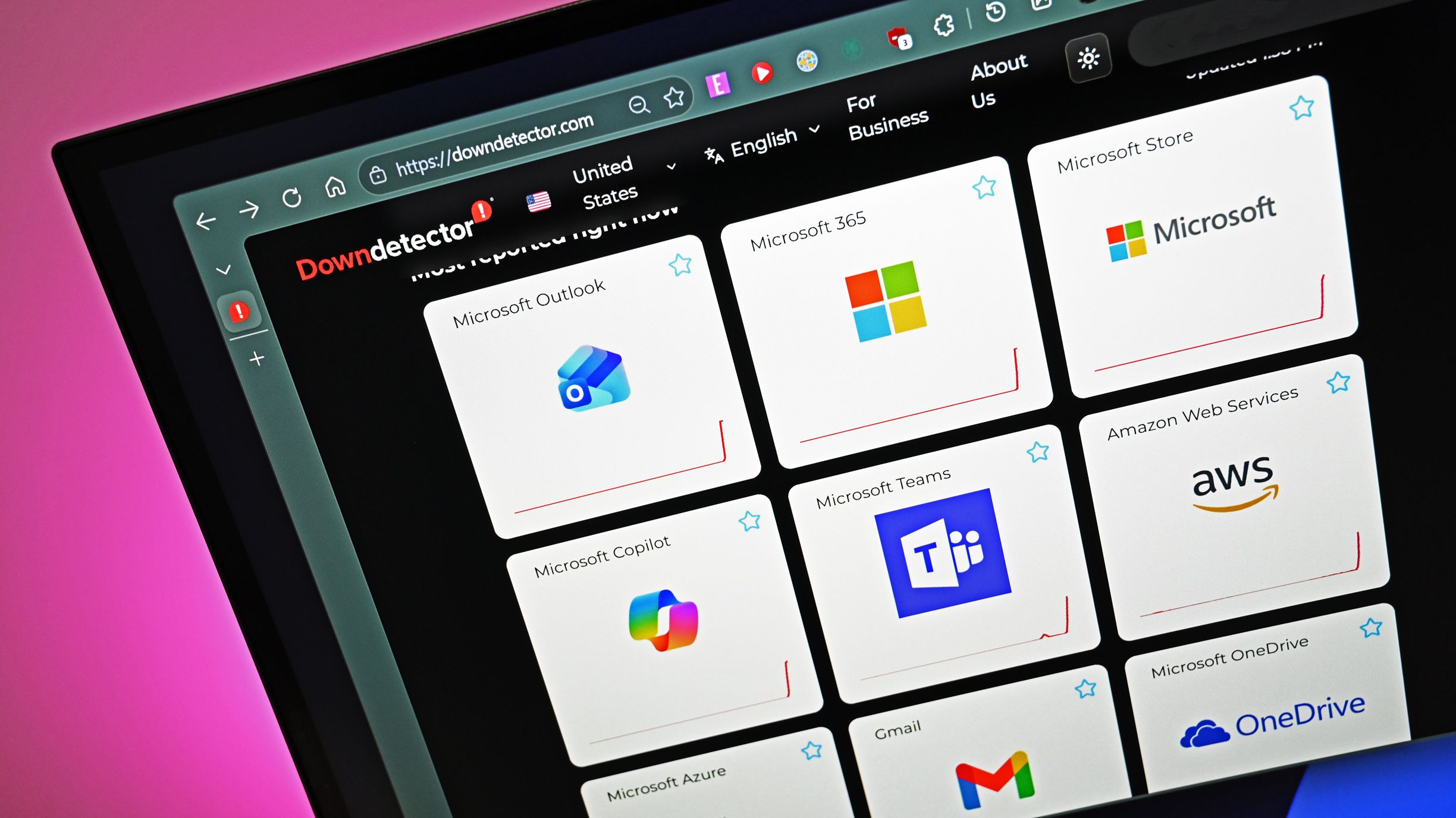
On November 12, 2026, Microsoft Outlook and associated services experienced a significant global outage affecting millions of users. The incident garnered substantial media attention, competing for headlines alongside concurrent FAA-related flight disruptions across the United States.
Microsoft released a preliminary post-incident report on November 16, 2026, available through the Admin center under reference MO1550821. Charles Lamanna, Microsoft’s Executive Vice President of Copilot and Platform, shared an executive summary of the findings via social media.
Microsoft’s investigation identified three critical factors that combined to trigger the outage. A dormant software defect that had remained undetected suddenly activated, initiating cascading failures across service infrastructure. Simultaneously, reduced server capacity limited the platform’s ability to handle demand and maintain service continuity. Most significantly, the automatic containment system designed to isolate and mitigate such failures did not function as expected, allowing the problem to spread across the broader service ecosystem.
This convergence of factors—legacy software vulnerability, infrastructure limitations, and a malfunctioning failsafe mechanism—created a perfect storm that overwhelmed Microsoft’s ability to rapidly contain the incident. The outage underscores the complexity of maintaining global-scale services and the critical importance of redundancy, monitoring, and effective automated failsafes in cloud infrastructure.